Design on a Budget
How To Make Your Apartment Layout Actually Work For Your Lifestyle

At A Glance | |
|---|---|
Why Layout Shapes Daily Comfort | Fit a WFH Setup Without Losing Space |
What Must Your Space Support? | Quick Tweaks That Make Rooms Feel Larger |
Create Simple Zones That Feel Natural | Multi-use Furniture That Earns Its Spot |
Arrange Furniture for Easy Flow | Storage Ideas that Keep Clutter Hidden |
When to Float or Anchor Pieces | A Layout That Reflects Your Life |
Introduction: Why Layouts Matter More Than Decor
Most renters rearrange their apartment a few times before they finally admit something still feels off. You move the sofa, slide the bed to another corner, shift the desk again, and even after all that, the room still does not feel comfortable or easy to live in.
A big part of this happens because most people gather furniture over time. A dresser from a parent. A trendy chair bought on a whim. A sofa that worked in the last apartment but steals too much space in this one. Then all of those pieces end up together in a layout that does not match your routine.
The layout has more influence than anything you buy later. When your furniture placement supports your daily habits, the apartment feels calmer and more grounded. "I have moved furniture around more rental floor plans than I can count, my own included, and the biggest improvements almost always come from the way the room is arranged, not the accessories.
This guide helps you create a layout that fits your real lifestyle, not just the inspiration photos you scroll past.
Start With What You Actually Need From Your Space
Before you think about where the sofa goes, think about how you live. The layout should support the parts of your life that matter most to you. A small apartment can handle more than people assume when the space is shaped around clear priorities.
Start by choosing a few essentials. If you work from home, a quiet, defined desk spot will matter more than a giant dining table. If you host often, a layout with flexible seating may be more helpful than a large bedroom. If you cook frequently, extra kitchen storage may reduce more stress than any décor upgrade.
It can also help to look at what feels frustrating right now. If you always end up eating on the sofa, maybe the room needs a little dining nook. If you trip over the same basket every day, the layout may need a better path. If a corner never gets used, there might be an opportunity to turn it into a reading spot or workspace.
Designers often start with this reflection because a room works best when the flow matches your routine. The Interior Design Institute explains how rhythm in the home makes a space feel intuitive and comfortable, and this idea applies beautifully to rentals of any size.
Create Zones Even In Small Apartments
Zones help small apartments feel organized. You can make them with gentle cues instead of walls. A floor lamp and a chair can create a soft reading corner. A rug under your bed can settle your sleep area. A small table near the kitchen can mark a dining zone. Even placing a console behind a sofa can separate the living space from everything else.
There's a fuller breakdown of how renters can use zones in the small apartment design guide. Homes & Gardens also shares simple ways open layouts can feel more defined, and many of those ideas translate well to studios and one bedrooms.
How To Arrange Furniture So Your Space Feels Better
A layout feels good when the room has clear paths, balanced seating, and open sightlines. If you bump into furniture while walking through the room, or the first thing you see is clutter, the flow needs adjusting. Sometimes moving one piece a few inches makes the entire room easier to live in.
Better Homes & Gardens offers helpful reminders about how to arrange furniture so the eye can move comfortably through a space. Placing a sofa toward a window or grouping seating closer together often makes the room feel more inviting.
Tighter footprints need a slightly different approach. I wrote about planning a tiny apartment layout without feeling boxed in, which covers how to place furniture when every inch is already spoken for.
When To Float Furniture And When To Use Walls
Pushing everything against the walls feels like a space-saving move, but it often works against the room. Tall pieces like dressers, bookshelves, and consoles usually feel better anchored to a wall because the structure gives them a grounded look.
Floating furniture is helpful when you want to soften a long room or break up large open areas. Pulling a sofa forward just a little often adds balance and makes the space feel more comfortable. A floating desk behind a sofa can create a calm work zone without taking over the living room.
Southern Living talks about how some layout habits unintentionally make rooms feel smaller, and many of their tips help renters understand when to anchor furniture and when to float it.
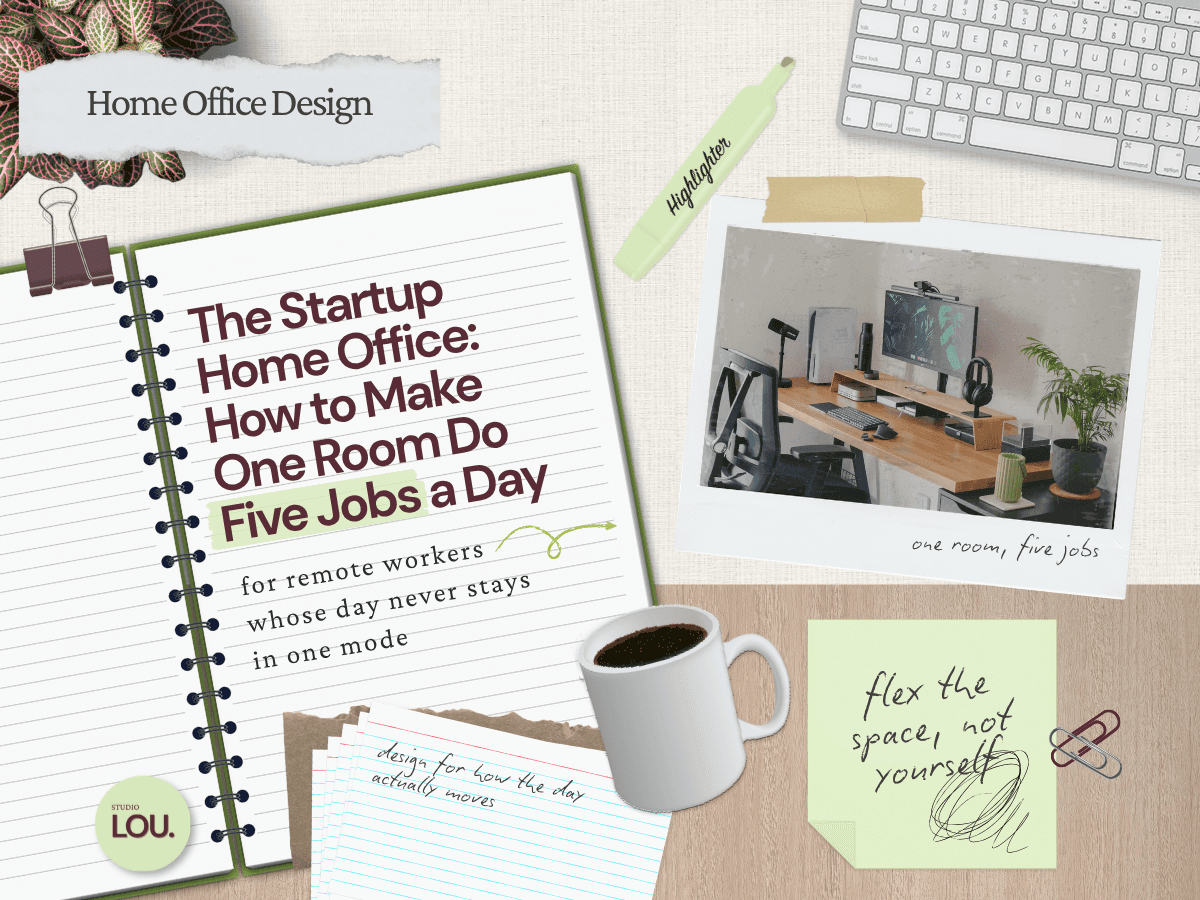
How To Fit A Work-From-Home Setup Without Losing Space
A workspace does not need to be large to be effective. A ladder desk fits almost anywhere without taking over the room. A slim console can double as a desk during the day and blend back in at night. A writing desk placed near a window feels calm and separate from the living area. And a fold-down desk lets the room reset when you are done with work.
The placement matters more than the surface area. Good light, a comfortable chair, and a spot that feels slightly tucked away will keep your focus steady without overwhelming the apartment.
Small Changes That Make The Whole Room Feel Larger
Many renters assume they need more furniture or more décor to make a room feel finished, when the opposite is usually true. A single large mirror placed across from a window can brighten the whole apartment. A rug that fits the full room can make it feel more spacious than several smaller rugs. Hanging curtains a bit higher lifts the eye and adds height. And choosing furniture with slimmer silhouettes helps the space feel open instead of crowded.
Southern Living highlights some common decorating choices that accidentally make homes feel smaller, and their notes line up perfectly with what works in rental apartments.
The Best Multi-Use Furniture For Small Rentals
Multi-use furniture helps renters get the most out of their layout. A storage ottoman gives you a place to sit, rest your feet, and hide everyday clutter. A lift-top coffee table doubles as a workspace and keeps things tucked away. A daybed provides seating and a guest bed in one. Nesting tables expand during gatherings and shrink when you need room. Expandable dining tables stay small most of the time and grow only when needed. And modular drawer systems let you reconfigure your furniture each time you move, which makes them ideal for long-term renters.
Pieces that adapt with you make the whole apartment feel more functional.
How To Hide Everyday Clutter Without Fighting The Layout
Clutter disrupts even the best layout, but you do not need complicated systems to keep things under control. Closed storage makes a huge difference in small homes. A bench by the door can hold shoes and bags. A closed cabinet in the living room keeps tech gear and blankets out of sight. A single lidded basket in the bedroom keeps stray clothes from piling up. And a small tray on a coffee table turns everyday items into something tidy instead of something scattered.
House Beautiful shares plenty of renter-friendly storage ideas that can help keep surfaces clear so the layout can shine.
A Layout That Finally Supports Your Real Life
A layout should work the same way your life works. When you start with your priorities, define simple zones, and give furniture room to breathe, the whole apartment starts to feel easier and more welcoming.
I run into this in my own apartment too. My boyfriend and I both work from home, which means the layout has to hold two desks and still function as a place we want to be after five. The thing that took the longest to accept was that our bedroom could not absorb the overflow. Every time work crept in there, the room stopped doing its actual job. So the desks stay where they are, the bedroom stays clear, and the whole thing runs better than it did when we were trying to spread out. The post on optimizing small home offices covers more of how that setup came together.
Your apartment does not need to be big to work beautifully. It just needs to work for you, and if you want another set of eyes on the floor plan before you move anything heavy, get in touch here.
Be the first to know about every new letter.
No spam, unsubscribe anytime.